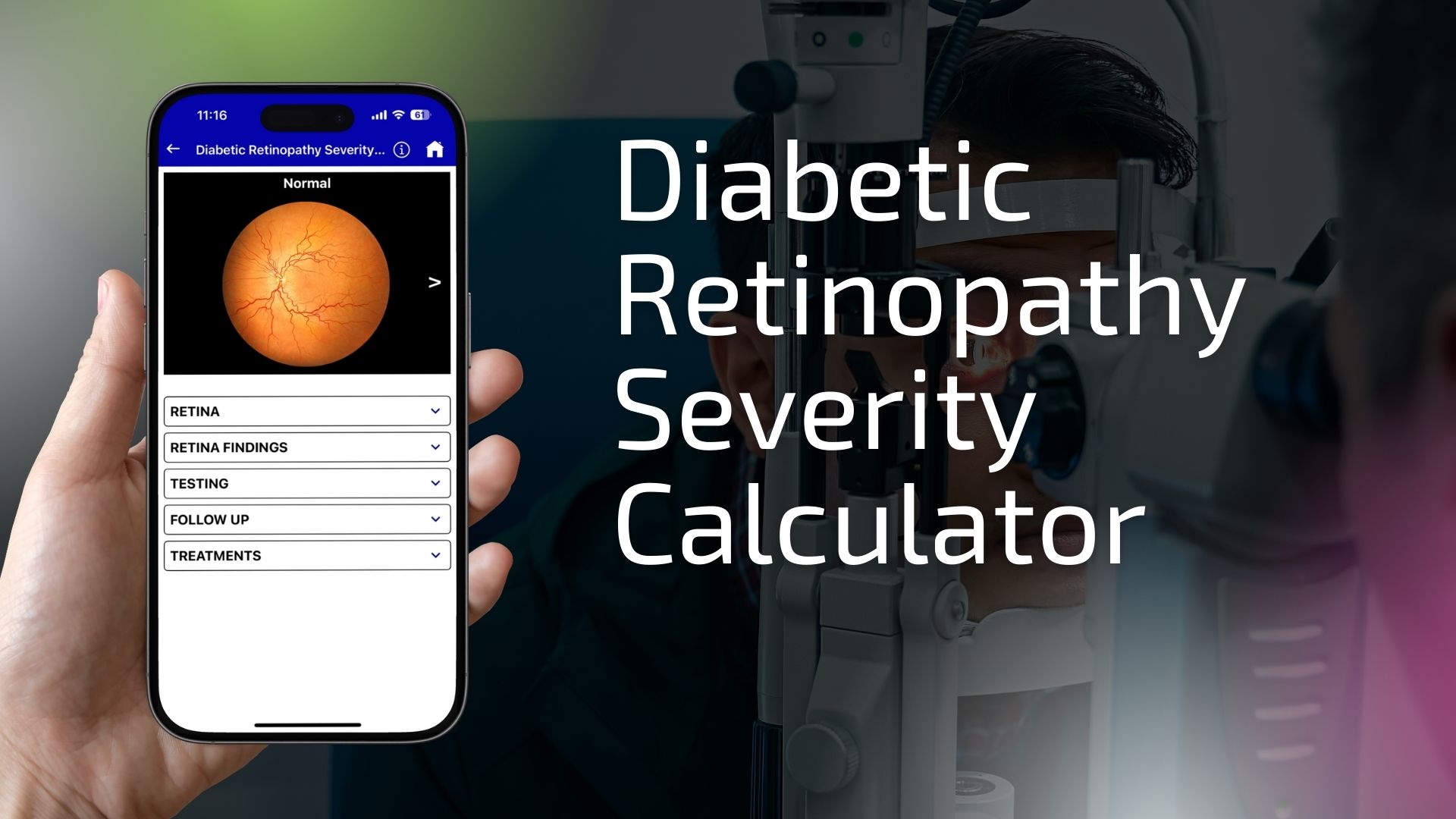
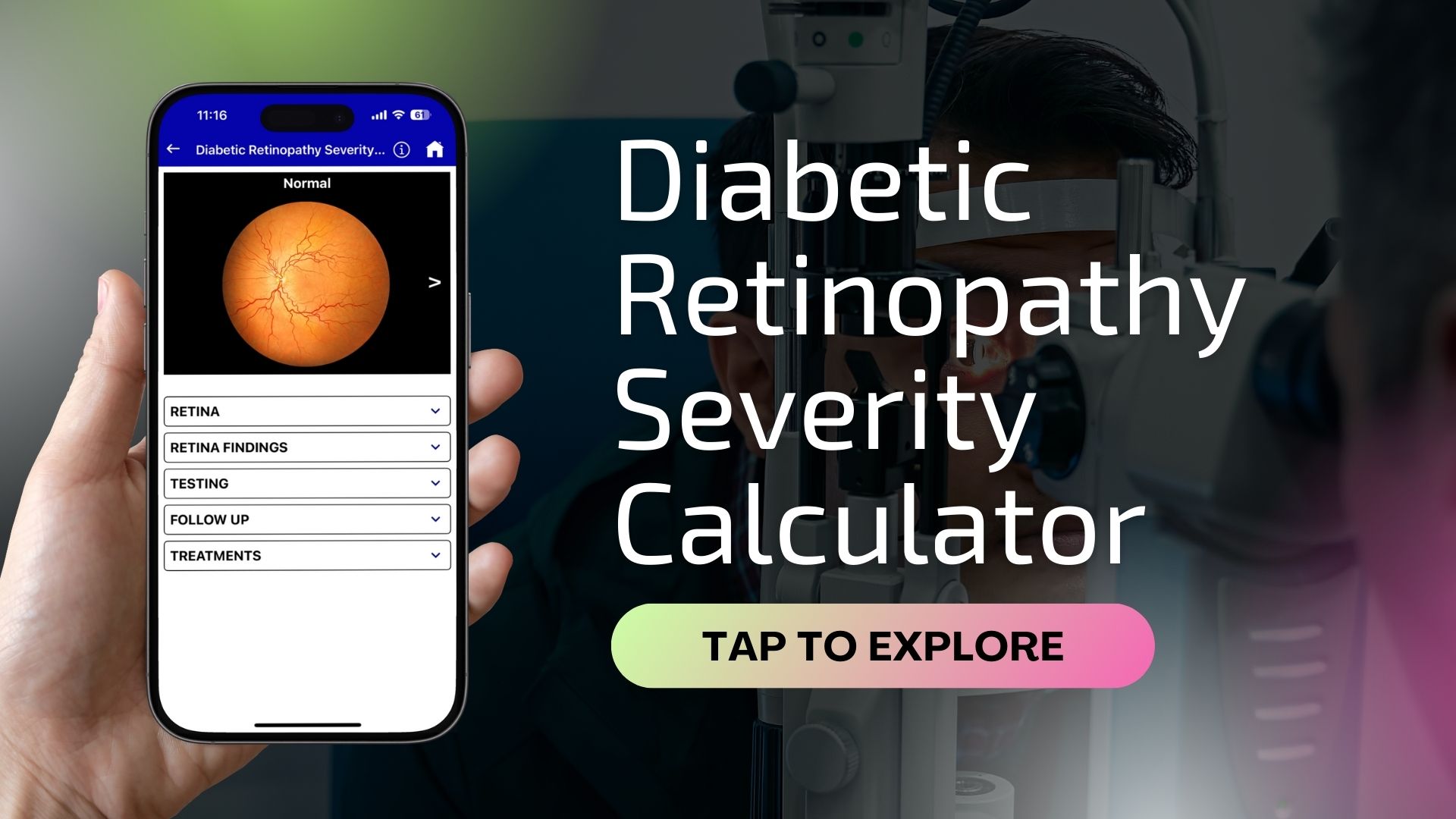
Diabetic Retinopathy (DR) is a progressive eye disease caused by damage to the small blood vessels in the retina due to prolonged high blood sugar levels in people with diabetes. Over time, this damage can lead to vision problems and even blindness if left untreated. DR typically develops in stages, beginning with mild abnormalities in the retinal blood vessels and potentially progressing to advanced stages that involve abnormal blood vessel growth, retinal detachment, or macular edema.
Early stages of diabetic retinopathy may not cause noticeable symptoms, which is why routine screening is essential for individuals with type 1 or type 2 diabetes. Early detection and timely treatment can significantly reduce the risk of vision loss.
The Diabetic Retinopathy Severity Calculator is designed to assist healthcare professionals in estimating the severity of diabetic retinopathy based on clinical findings during a retinal exam. It is a supportive tool that uses observable signs such as microaneurysms, retinal hemorrhages, and neovascularization to classify the stage of retinopathy. This helps guide referral decisions, treatment urgency, and follow-up schedules.
Although this calculator does not replace a comprehensive eye examination by an ophthalmologist, it serves as a helpful point-of-care reference for general practitioners, endocrinologists, optometrists, and diabetes care teams.
Users enter clinical observations into the calculator, including whether there are microaneurysms, retinal hemorrhages, venous beading, cotton wool spots, intraretinal microvascular abnormalities (IRMA), neovascularization, and signs of diabetic macular edema. Based on these inputs, the calculator classifies the DR into one of several standardized stages:
The calculator also flags the presence of macular edema, which may occur at any stage and can significantly affect central vision.
Understanding the severity of diabetic retinopathy is crucial because it directly influences the course of treatment. For example, patients with mild or moderate NPDR may require only annual screening and optimized blood sugar control. In contrast, those with severe NPDR or PDR typically need urgent referral to a retina specialist for interventions such as laser therapy, anti-VEGF injections, or vitrectomy.
Additionally, diabetic macular edema is the leading cause of vision loss in DR and must be managed promptly, often in coordination with the underlying diabetic condition.
This calculator is a guide and does not replace clinical judgment or diagnostic tools such as fundus photography or optical coherence tomography (OCT). Final diagnosis and treatment decisions should always be made in collaboration with an eye care professional.